
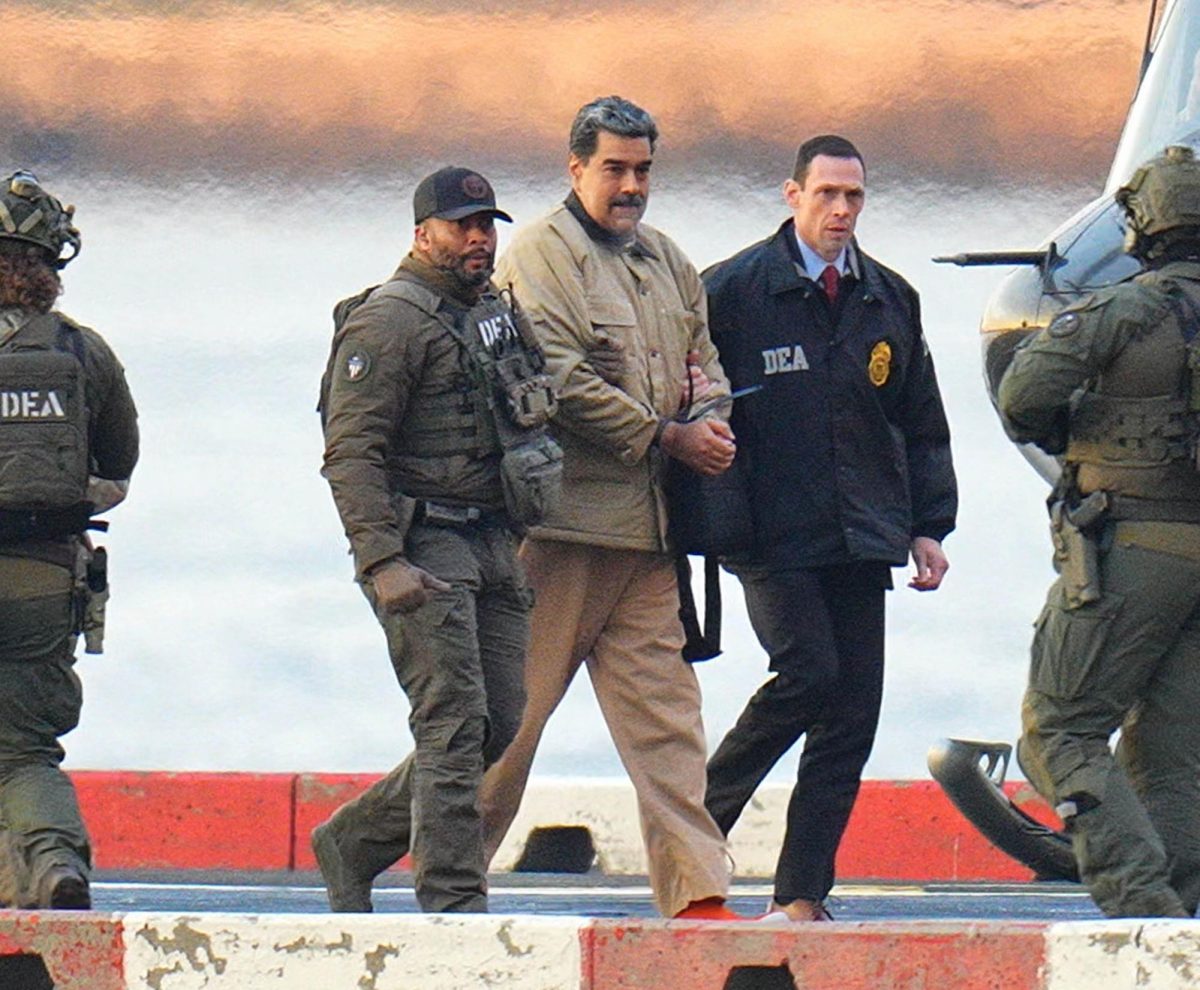
Explosions were seen over the Venezuelan capital city of Caracas Jan. 3, as the United States conducted extensive military operations. The primary action carried out by he United States was to take into custody the President of Venezuela, Nicolas Maduro, and bring him to the U.S. on narco-terrorism conspiracy, cocaine importation conspiracy, possession of machine guns and destructive devices, and conspiracy to possess machine gunes and destructive devices charges, according to the indictment.
Nicolas Maduro is widely seen to have lost several of the elections in which he has run, which has been used as further justification for his removal by the U.S. During the attack on Caracas, a Venezuelan official reported that at least 40 Venezuelans lost their lives, according to a Jan. 6 article in The New York Times.
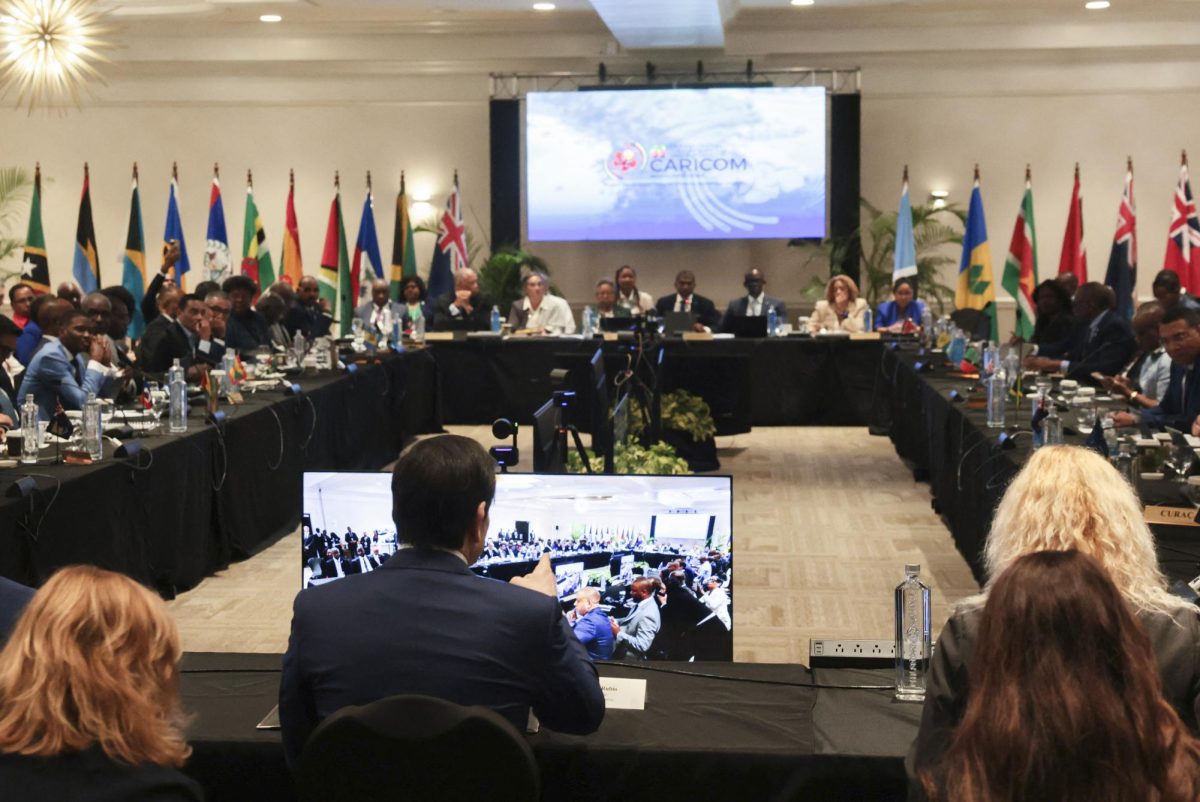
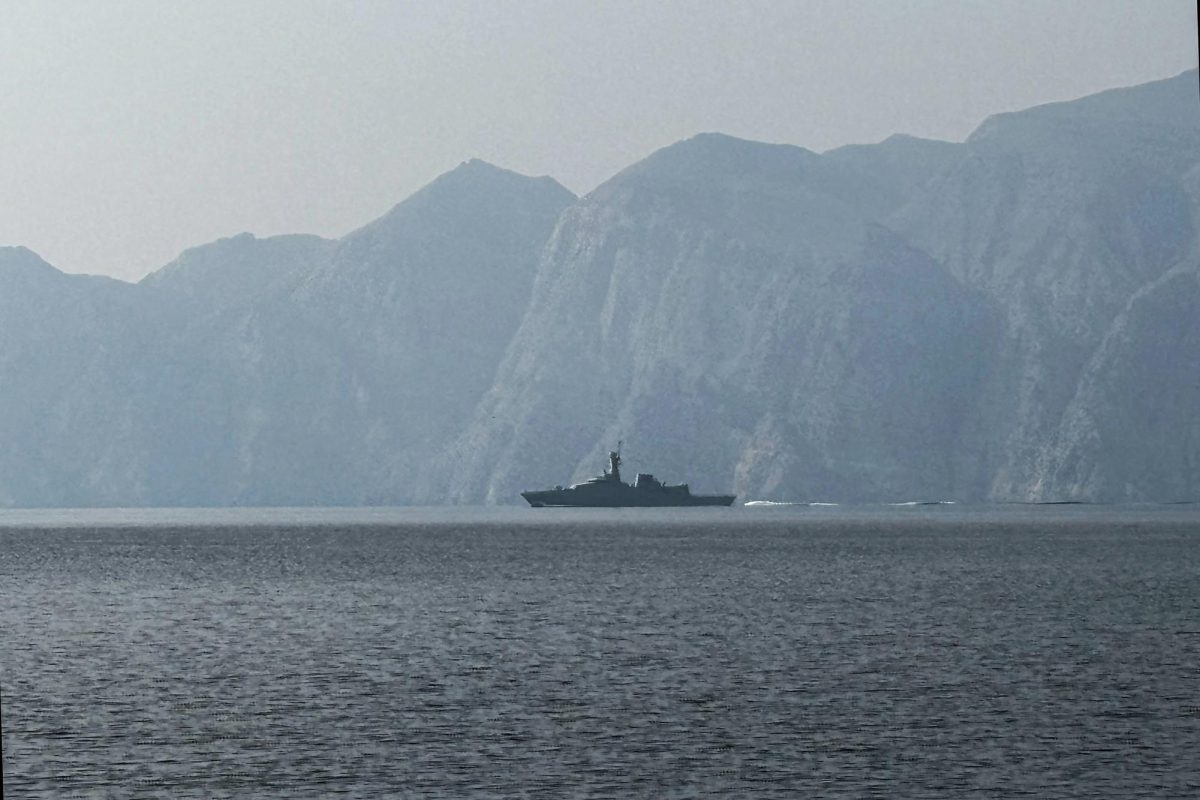
The attack on Caracas comes after months of the U.S. military bombing ships, which the Department of War (formerly Department of Defense) alleges to be smuggling drugs, throughout the southern Caribbean. The action has drawn criticism and support throughout both the United States and the world. The hope is that the removal of Maduro will allow for the return of democracy to Venezuela. However, it risks destabilizing the nation of nearly 30 million people, as well as the action being taken without any notice to Congress, with some arguing it is a clear violation of international law.
President Donald Trump, in the aftermath of the military operation, has begun to speak of other military interventions, including in Columbia, Cuba, Mexico, and Greenland, according to various news sources.






![NATO Supreme Allied Commander Europe [SACEUR] General Alexus G. Grynkewich speaks during a press conference on the violation of Polish
airspace by Russian drones, at the NATO headquarters in Brussels on Sept. 12, 2025. NATO will strengthen the defense of its eastern flank, following the intrusion of Russian drones into Polish airspace this week, announced NATO Secretary on Sept. 12.](https://thevikingviews.com/wp-content/uploads/2025/10/OPED-NATO-POLAND-COMMENTARY-GET-1200x800.jpg)