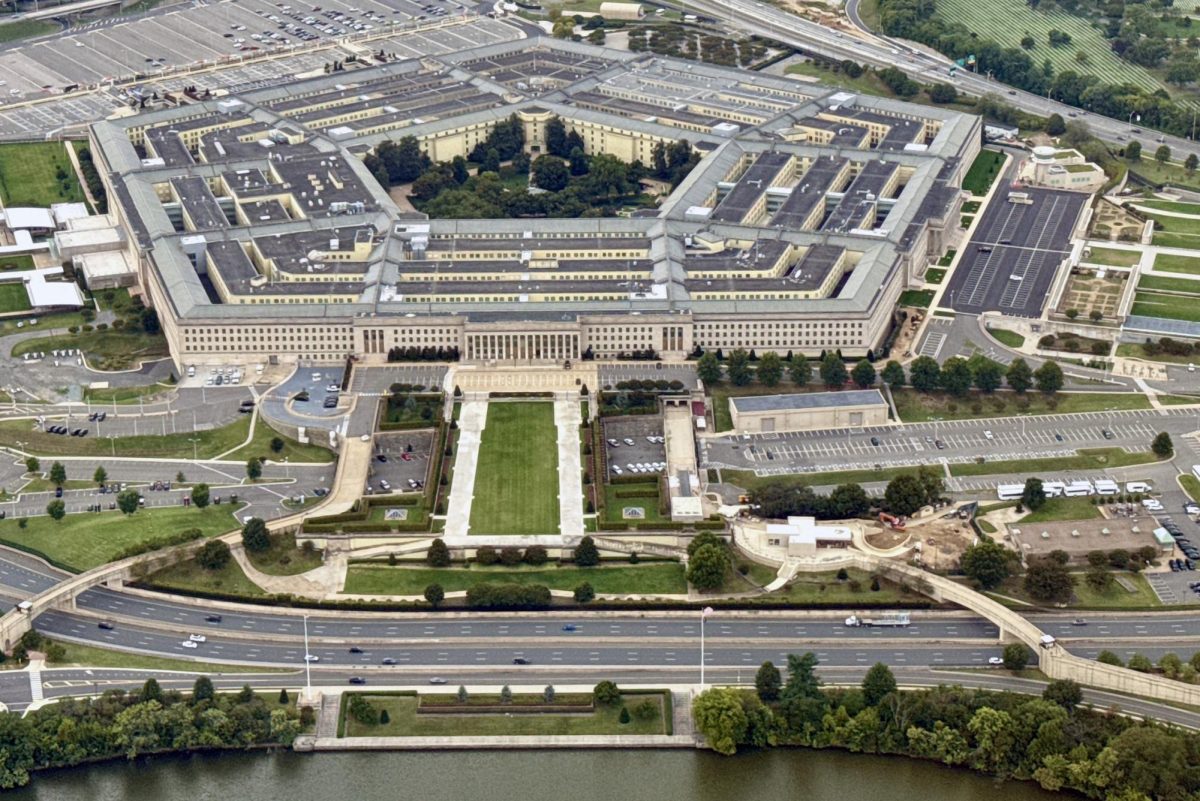
The Pentagon’s new press regulations mark an uneasy shift for journalism in the United States. While Pentagon officials defend that the changes are meant to “streamline” communications, journalists are now at risk of losing the independence and access needed to hold government leaders, agencies and institutions accountable, according to an Oct. 31 article in Newsweek.
The idea of journalism is derived from the use of transparency, knowledge and availability. In order to release informational content, reporters must be able to question, investigate and put out information without prior review [having someone outside of the publication approve the content beforehand]. Consequently, the Pentagon’s strict communication paths create additional obstacles between journalists and the information they wish to publish. A used-to-be simpler system to request interviews now requires numerous levels of approval, according to a Sept. 20 BBC article.
Inconvenience and inefficiency aren’t the only downsides. The heart of journalism’s self-governance role in a Republic is on the line. Many agree the reason for the press is to bring awareness to relevant issues, explain political decisions and question those in power, thus when access is lessened, reporting suffers. With a decrease of willing sources, vague statements and anonymous sources will be heavily relied on. This increases the risk of misinformation and unreliable news sources, and the U.S. population deserves to know how the government is being run truthfully, an Oct. 14 Forbes article quoted from The New York Times. What’s created is a watered-down version of journalism, as preferences of institutions limit journalism at its best.
In my perspective, this interference of the press doesn’t only affect reporters — viewers, listeners and readers also grow a distrust toward news and media, as they rely on journalists to provide true information, unpack stories and reveal the truth on matters others are scared to address. A lack of accurate and efficient content leaves the public with incomplete stories, which creates a disconnect between people and the news. Overall, the new set of regulations makes reporting more difficult, while also undermining the ability for the public to be informed.
While it’s understandable why people believe these limitations are needed for national security — security is important — restricting journalists should be done temporarily, depending on the situation, and in a way fit for a specific situation. This would eliminate the use of a blanket policy that restricts all access for reporters. Oversight [supervising] of institutions by the press creates a level of accountability that is needed.
In my opinion, the new regulations counter the principles of independent journalism. The regulations risk turning reporters from investigators into messengers of approved messages. The free, independent press is not only for the people, but also a foundation of this very Republic. The interference with the press’ function by institutions and agencies causes everyone to lose: journalists, the public and the democratic system.
Authentic journalism is often uncomfortable, messy and inconvenient, at least in my experience. It is a way to question authority, uncover the truth and hold those in power accountable. The new guidelines may create a system of communication, but they also counter the essence of that journalistic mission that values objective information and transparency.
This commentary is the opinion of the writer and does not necessarily reflect the views of The Viking Views staff, the students and/or staff of Hoover High School, or NCCS
Kaeleigh Heckaman ‘27
The Department of War, formerly the Department of Defense, under the leadership of Secretary Pete Hegseth, has taken expansive measures to limit press access and reporting within The Pentagon, according to a Oct. 15 Associated Press article.
The harshest restriction is a measure implemented that requires any reporting regarding the department to be approved by the secretary. This has caused widespread backlash from most media outlets and news organizations.
“[The secretary] has called his new rules ‘common sense’ and said the requirement that journalists sign a document outlining the rules means they acknowledge the new rules, not necessarily agree to them. Journalists see that as a distinction without a difference,” the article reported.
In response to this, the vast majority of journalists reporting in The Pentagon have turned over their access badges [press credentials]. The president spoke about the rules to White House reporters Oct. 14.
“I think he finds the press to be very disruptive in terms of world peace,” the president said. “The press is very dishonest.”
John O’Donnell ‘27