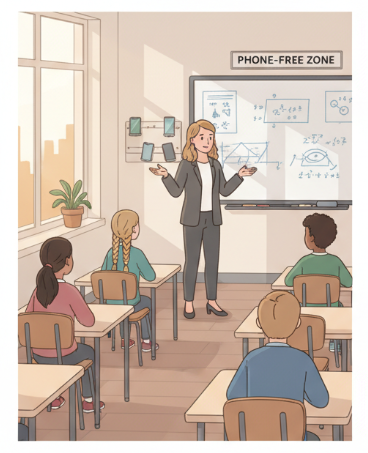
How can state legislatures expect busy, anxious, constantly moving high school students to go eight hours without their phones? The question isn’t whether students are addicted to their phones, it’s whether policymakers understand how essential they’ve become to daily student life. For many students, phones aren’t a distraction, but a tool used to manage everyday responsibilities, from coping with stress to organizing schedules.
Many students balance school with jobs, practices, rehearsals, and responsibilities that don’t stop at the doors. The phone ban ignores the reality that students manage much of their lives digitally. I have a job, and I often need to check my work schedule or request days off, tasks that are only accessible through my phone. There have been days where I’ve gotten sick and need to call off work, or something has come up and I’ve needed to find coverage for the day, however, this becomes impossible with a phone ban. My calendar holds my choir and band rehearsals, bowling practices, work shifts, and personal commitments, yet I’m not even allowed to check it during the school day. I’ve missed some of these activities before because I haven’t been able to check my schedule.
The phone ban assumes that schools can replace the support students find outside of school. Whether it’s family, friends, or a licensed professional, schools cannot meet every student’s emotional needs throughout the day. I know Carys Eynon ‘26 Managing Editor Eight Hours…Really? A Viking Views staffer offers her opinion on how the ban overlooks students’ daily realities there have been days when I’ve done poorly on a test and needed to contact my mom. That’s not something I would want to admit to an office or guidance counselor. School already takes a toll on students’ mental health, and sometimes they need immediate support, support that schools simply can’t provide.
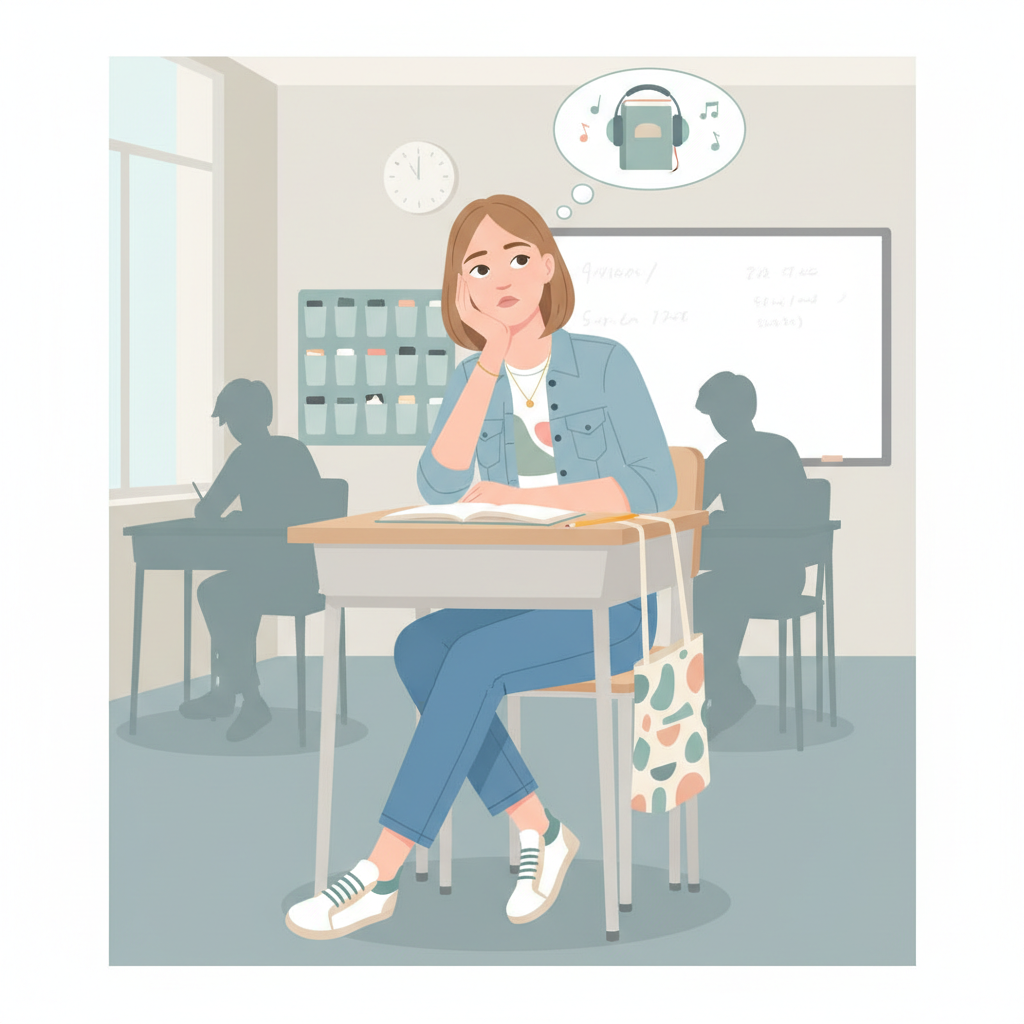
Not having phones in school has brought a wave of boredom into my school day. Still, my friends and I have found ways to work around it. Instead of sitting through study halls bored out of our minds, we’ve started playing cards. I didn’t expect I’d become incredibly good at Go Fish. Moments like these show that students can adapt when needed. Even so, I still wish I could listen to music or an audio book during study halls.
However, finding other ways to entertain ourselves doesn’t mean the policy works. If lawmakers want to create rules that genuinely support students, they need to understand what everyday student life looks like now, not what it looked like a decade ago. Many of the people behind this ban haven’t been in high school for years, back when phones weren’t such a central part of daily life. I can’t help but wonder how many of them could get through a full workday without access to their phones.